Prolific Taggers & Activity Concentration
How much documented graffiti activity is associated with a small number of recurring monikers?

Independent research institute
Graffiti Research Institute examines what graffiti reveals about offender behavior, gang communication, and patterns of activity over time. Our mission is to advance criminological research and help communities make informed decisions about prevention and response.
Research foundation
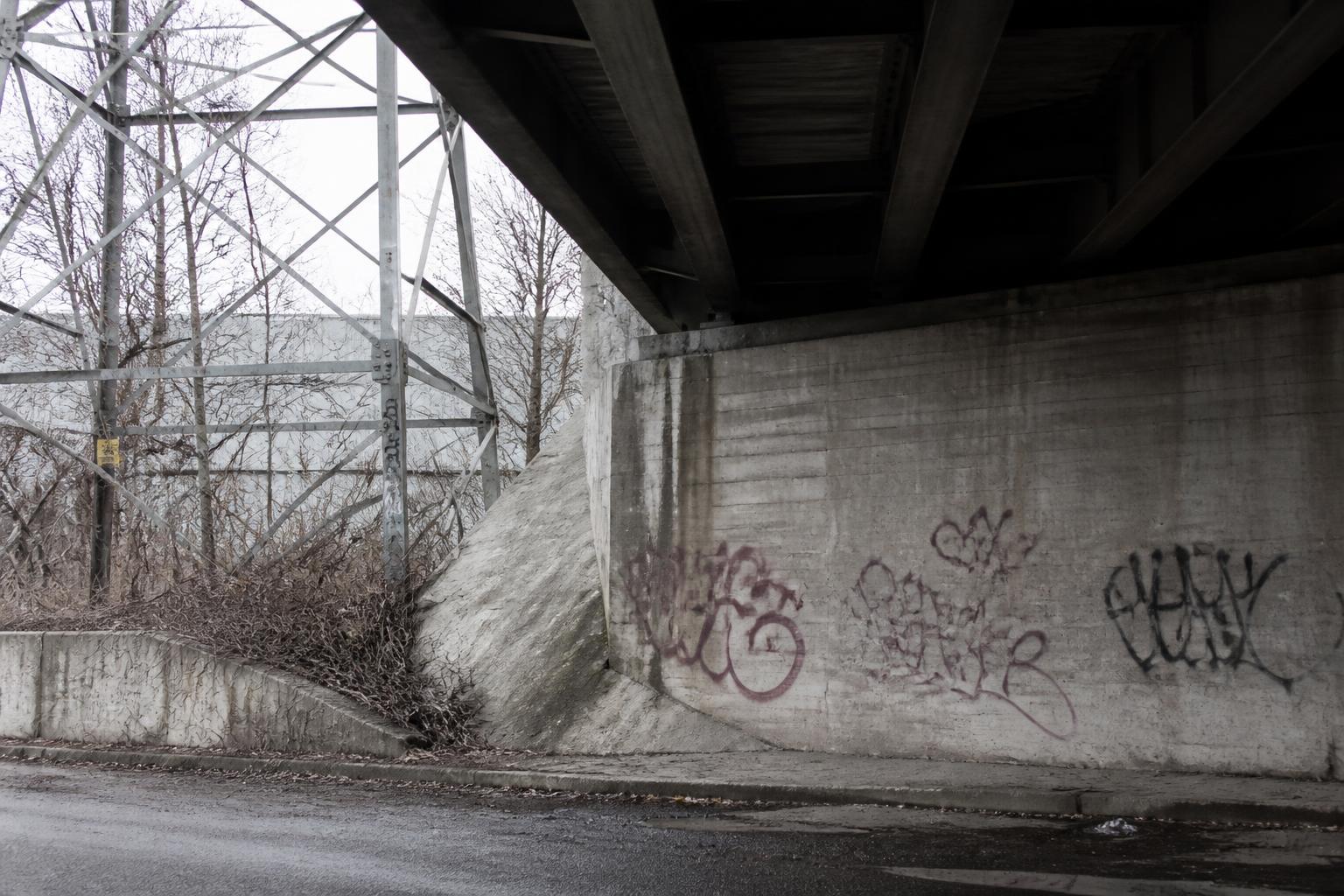
Our research agenda builds on millions of graffiti incidents documented over a 20 year period from throughout North America. This extensive collection of photographs and analyst-reviewed records provides a foundation for studying repeat activity, geographic patterns, gang communication, and how graffiti changes following removal and other interventions.
Research priorities
How much documented graffiti activity is associated with a small number of recurring monikers?
Where does graffiti recur, and how do patterns associated with individual monikers change across locations?
How are identity, territory, rivalry, threats, and remembrance expressed through graffiti?
How do patterns of graffiti change following removal and other municipal interventions?
How can systematic evidence inform removal priorities, resource allocation, and evaluation?
How does documented graffiti activity change over months and years?
Practical relevance
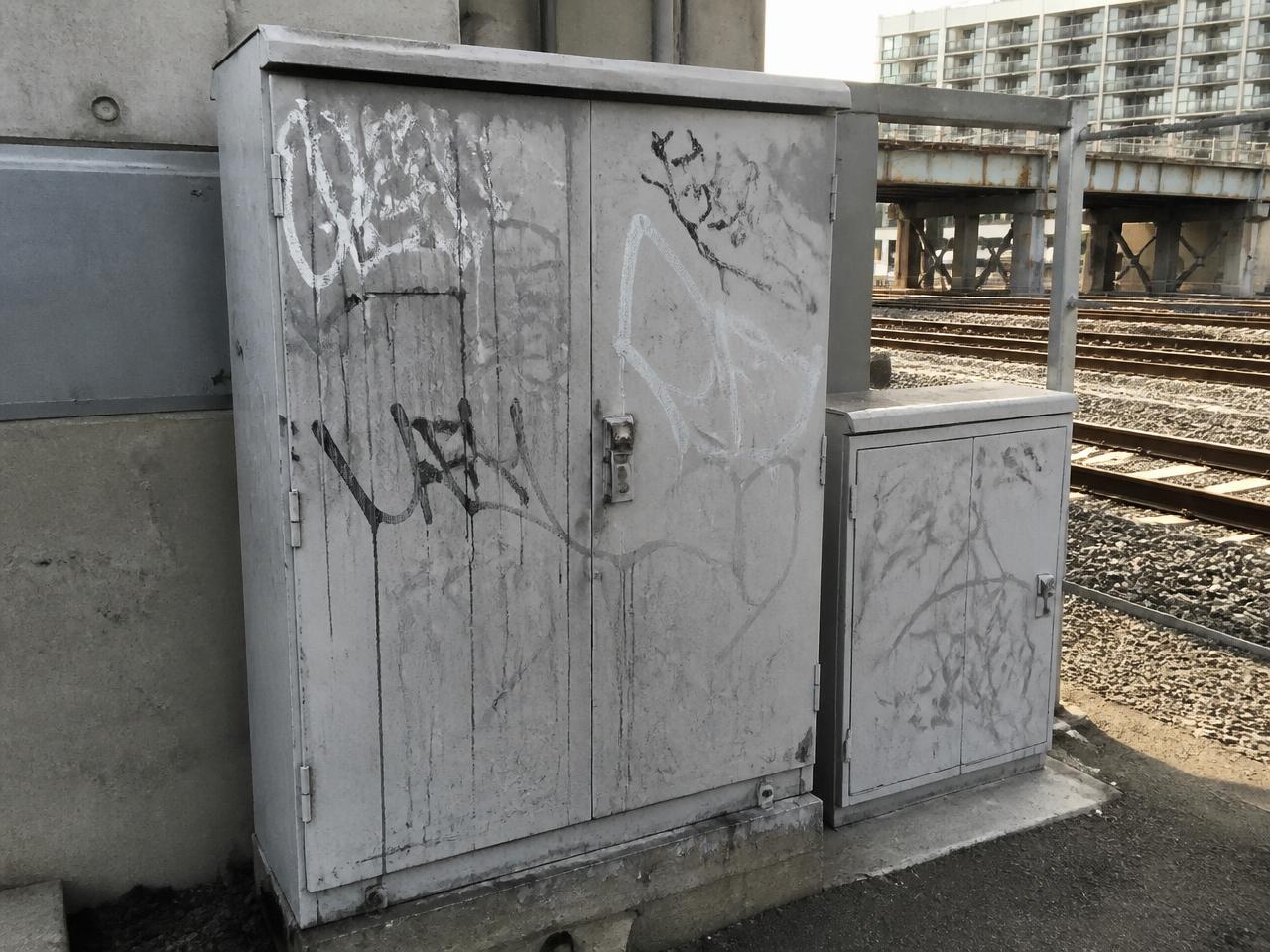
Our research examines graffiti through systematic empirical analysis, advancing criminological understanding of offender behavior, communication, and place. We seek to translate those findings into evidence that helps practitioners allocate resources, develop prevention strategies, and evaluate responses to persistent graffiti.
Collaboration
We welcome conversations with university researchers, foundations, public agencies, and other potential research partners who share a commitment to careful, useful inquiry.